



How To
How to Tell if Leather is Real in Easy Steps
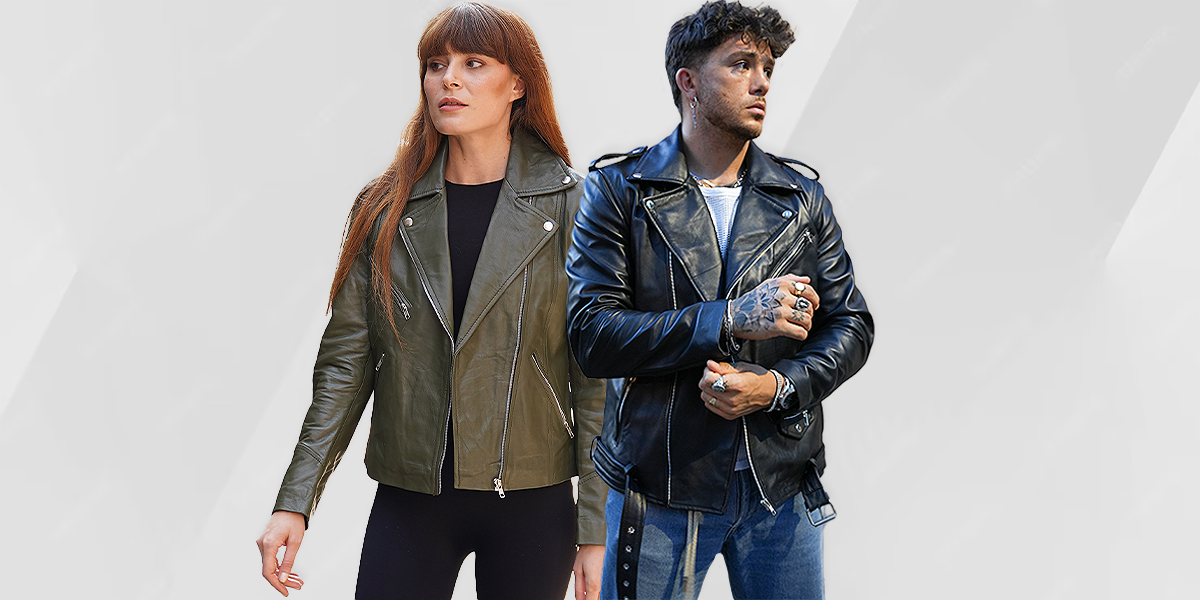
Leather is not only a durable material, but it is also considered a luxurious fabric. Owing to the popularity of leather goods across the globe, however, market shelves are filled with synthetic alternatives. Sometimes, synthetic leather looks so good that it becomes difficult for customers to tell the difference between real and fake leather. Whether you are shopping for leather jackets, purses, bags, boots, shoes, or wallets, it is essential to know whether you are paying for something fake or real. This blog will teach you how to tell if leather is real so that you can be confident in both the quality and the price of your purchase.
real leather is always flexible compared to faux leather which feels cold, plastic-like, and it will not stretch.
How to Identify Real vs Fake Leather
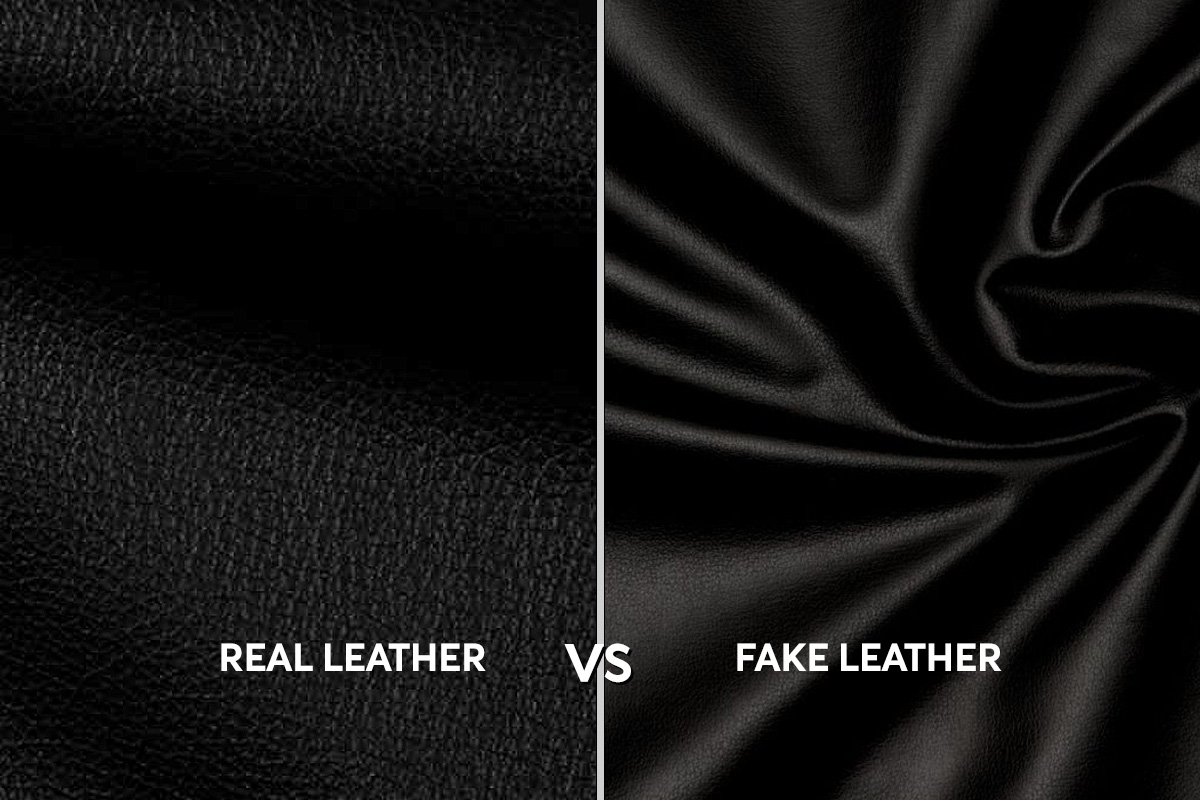
Real leather has several key characteristics that set it apart from its synthetic alternatives. Here are pointers to keep in mind if you want to learn how to tell real leather from fake.
Leather Scent:
One of the easiest ways to tell the difference between real and fake leather is to identify the scent. Genuine leather has a distinct, rich and earthy smell that comes from animal hide. On the other hand, synthetic materials like PVC and polyurethane do not have that smell. If you are a true leather aficionado, always smell the items before purchasing them.
Imperfections:
When it comes to real leather, it will never be entirely smooth and even without any imperfections. You will see some subtle marks, scars, and even wrinkles, which testify to its originality. If you come across leather that is perfectly smooth and has no marks at all, it’s probably a synthetic alternative.
Examine The Edges:
How do we know if leather is real? Always pay attention to the fabric’s edges. The edges of genuine leather are round and smooth that look slightly worn with age. As against that, synthetic leather will have sealed edges that are harsh to the touch. This is a subtle difference, so look closely.
Texture:
Real leather will have a soft yet firm natural texture. When you touch it, it will feel supple, but there will be some resistance when you bend it. On the other hand, fake leather, particularly cheap ones, will feel stiff.
Pinch Test:
Another method to tell real leather from fake is to carry out a pinch test. When you pinch natural leather, it will feel flexible and will wrinkle. As opposed to that, fake leather will not wrinkle.
Water Test:
An easy method to check whether your jacket or purse is made with real leather is to conduct a water test. Real leather has pores on its surface, so whenever water is poured over it, there will be quick absorption. On the other hand, fake leather will not be able to absorb water due to its texture being non-porous. As a result, water droplets will bed up on its surface.
Burn Test:
If you want to know whether a leather item is fake or real, carrying out a burn test may help you. However, you can only perform this test if you can sacrifice a small piece of the material. When you burn real leather, it will burn slowly. On the other hand, synthetic leather will burn quickly, giving off a plasticky smell.
Flexibility and Durability:
If you have already purchased a leather item but are unsure about its authenticity, you can check for its flexibility and durability. Real leather will become softer with age, and a dark impression called patina will form over it, which adds to its beauty. As against that, fake leather will start cracking and peeling and show more signs of wear and tear as it ages.
Genuine leather is typically soft, slightly stretchy, and has a grainy feel. Hold a piece in your hand, it will warm with your body heat.
Real Leather Costs More
As mentioned, leather is considered a luxurious material; therefore, it is always on the pricier side. Owing to its durability and universal appeal, it is a much-desired fabric across the globe, and people do not seem to mind paying for it as leather goods are known to last for many years. That said, one of the most obvious ways to tell the difference between genuine and fake leather is to see its price. Authentic, high-quality leather will never be cheap, no matter what someone chooses to tell you. Meanwhile, fake leather might look similar, but it is less durable.
So, whenever you come across a leather item that has a “too good to be true” prince tag, there’s a high chance it’s not made from real leather.
In A Nutshell
Learning how to tell if leather is real takes practice, but it will be worthwhile as it will help you save your hard-earned money. By following the steps provided in this blog, you will be able to make informed purchase decisions and take home the most durable leather items that will last for many years. All you have to do is focus on the leather’s smell, texture, flexibility, and price. If you are interested in purchasing genuine leather jackets, check out our men’s leather jackets and women’s leather jackets collection for the best quality and a wide variety of designs.
FAQs
Frequently Asked Questions
How to check for real vs fake leather before purchasing?
If you are out shopping and can’t decide whether an item is made up of real or fake leather, you can perform some quick tests, such as smelling it, looking for imperfections, and inspecting the edges, as explained in this blog.
Do real leather goods ever go on sale?
Yes. Genuine leather items can be on sale, but the price margin will not be very high. If you come across leather items with a massive discount, you will have to inspect them for authenticity closely.
When you perform a water test, fake leather will not be able to absorb water, and droplets will bead up on its surface. On the other hand, genuine leather will quickly absorb water.


