



Leather
What’s the Difference between Sheepskin and Lambskin?
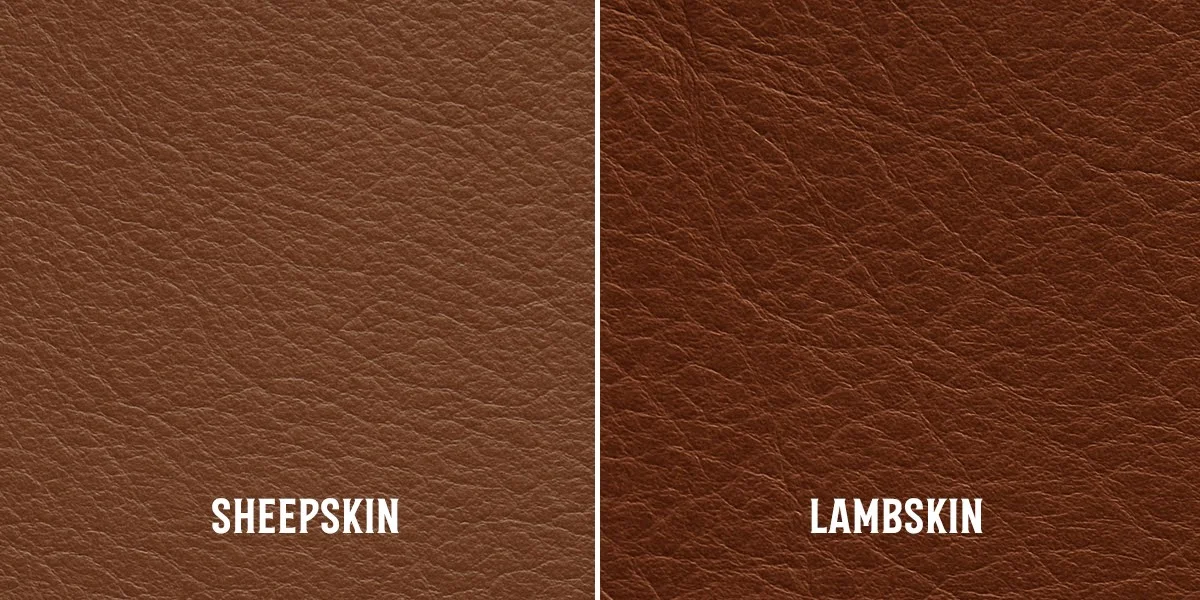
If you have ever shopped for a leather jacket or any other leather product, you must have encountered the debate regarding sheepskin vs. lambskin. This might have put you in this situation where you thought that they were different fabrics. Since they appear identical due to their shared origin, the reality is actually different. They’re both used for different reasons, feel different, and, of course, have distinctive looks.
As the name suggests, sheepskin leather is the byproduct of adult sheep, which is thick and warm. In contrast, the lambskin comes from young sheep, which is why it’s softer, smoother, and lighter.
When you understand the difference between lambskin and sheepskin leather, it becomes easier for you to make a better choice. You can choose between sturdy and long-lasting material or something a bit softer and more breathable. And that’s precisely what you’ll get in this blog.
Let’s begin with…
Characteristics and Qualities of Lambskin Leather

Below are some key characteristics of lambskin leather that make it a standout choice and a go-to piece for many people.
Lightweight
It’s soft and lightweight, allowing you to move effortlessly while wearing it. This is one of the features that make it the best choice in the apparel industry.
Texture and Feel
Since it comes from a younger animal, it has fine fibres. Its soft, lavish texture makes it feel amazing against the skin.
Refined Version
Its tighter and finer grains make it look more polished and appealing than any other type of leather product.
How Is Lambskin Leather Made?

Lambskin leather comes from young sheep. When the skin is removed, it is cleaned and then put through a tanning process. When the smooth side of the skin is finished and colored, it becomes soft lambskin leather. But if the wool is left on, it becomes something warm and fuzzy called shearling. Sometimes, the inside of the skin is made fuzzy like suede, and that kind is called Nappalan or shearling, too.
Uses of Lambskin Leather
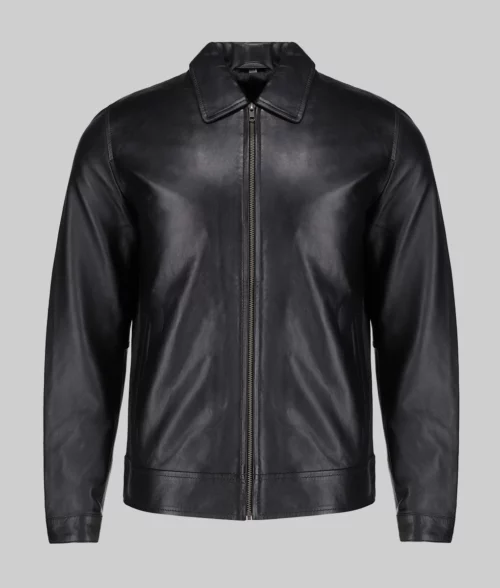
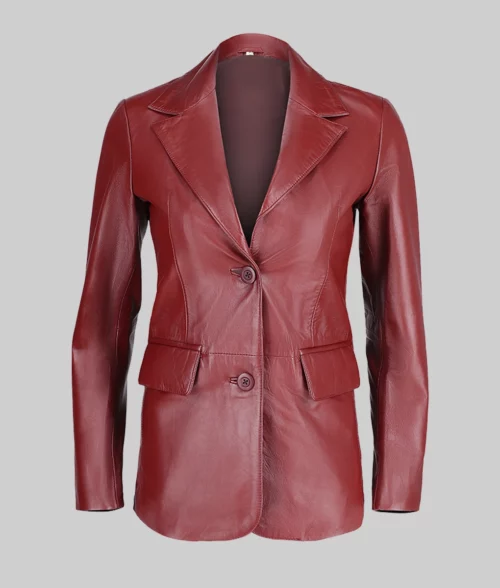
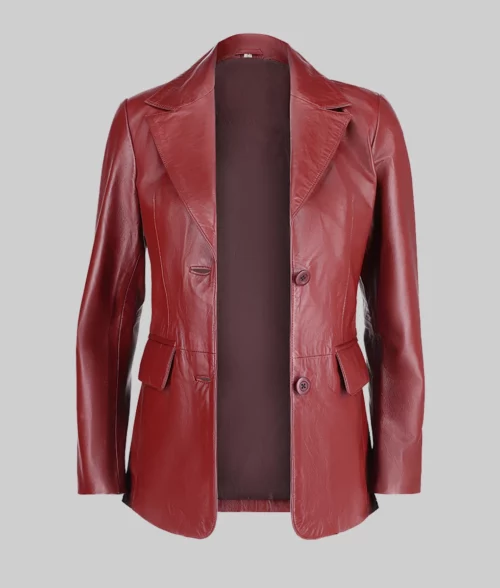
- Lambskin is often used for women’s leather jackets, coats, and pants.
- Popular for leather handbags, wallets, and belts due to their fine appearance.
- Used to make soft gloves that feel nice to wear.
Features of Sheepskin Leather

Now, let’s examine the key differences between sheepskin leather and lambskin leather.
Warm and Cozy
The natural oil in sheepskin is not removed during production, keeping it soft and somewhat water-resistant.
Tough and Durable
Talking about sheep leather vs lamb leather and not considering longevity? Impossible! The leather from sheep hide is thicker than lamb skin and usually withstands time. This is one reason why it’s used chiefly for sturdy products, such as belts and shoes.
Bolder Texture
When you’re learning the sheepskin vs lambskin debate, you’ll notice that the sheepskin has a more prominent surface. Although it’s not as soft as lambhide leather, it’s warm and strong enough to last for decades.
Making of Sheepskin Leather

Now, sheepskin is taken from the adult sheep by tanning the hide that comes with the wool. If the wool isn’t removed, you get shearling. However, if you remove it, you obtain leather.
The weather conditions where the sheep were born also affect the softness and thickness of the leather.
Sheepskin Usage
- Also, in gloves and hats.
- Best for warm boots and shoes.
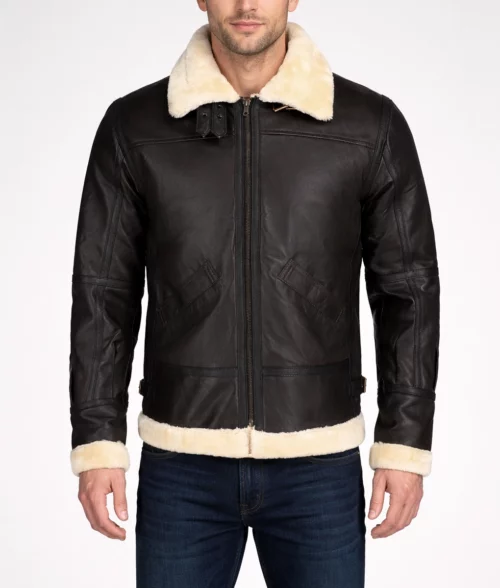
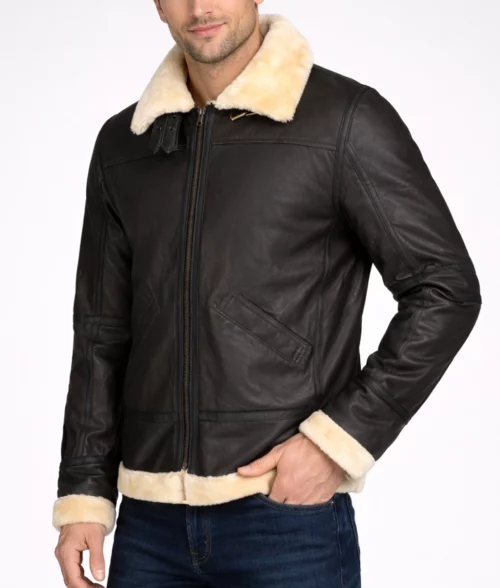
- This is great for rugged bombers and shearling jackets worn in winter.
TL.DR… Here’s the simplified version for you to end the ongoing debate yourself by understanding…
Key Differences in Sheepskin vs Lambskin
| Lambskin | Sheepskin |
| Comes from young sheep | Adult sheep are the source here |
| This is quite soft and lightweight | Also, light, but comparatively thicker |
| Fine and refined appearance | Rough and structured |
| It’s durable, but requires regular maintenance | Highly long-lasting if taken care of properly |
| Not waterproof | Same with the sheepskin |
| Offer great comfort | Is superemly warm |
| Use in products for people who prefer a more luxurious fabric | Best choices for those who look for rugged and sturdy material |
Care Tips for both Lambskin and Sheepskin
Both lambskin and sheepskin require regular maintenance to keep them looking fresh and in good condition for an extended period. With proper care, they grow beautifully and can even be passed down to future generations.
Here’s how you can do it:
- Wipe off the dust and dirt using a soft cloth.
- Avoid wearing it in the rain and getting wet.
- Apply a leather conditioner after every few months to prevent drying and cracking.
- Store it in a cool, dry place, away from direct heat sources and sources of moisture.
- If it gets wet, blot gently to remove excess moisture instead of wringing.
- Use a mild detergent and water solution for stains; avoid harsh chemicals.
- Hang on a padded hanger to maintain the shape instead of folding.
- Please keep it away from any heat source.
Frequently Asked Questions
Absolutely! Both sheepskin and lambskin are used for making winter jackets and other outerwear due to their exceptional warmth, making them both perfect materials for the cold season.
Generally, lambskin is considered to be more expensive for various reasons, including, but not limited to, its super softness and high demand in making fancy products.
Indeed, it is! Sheepskin is rough and tough, making it a better choice for daily wear. On the contrary, lambskin is mostly worn for high-end events.


