



Buyer's Guide, Leather Jacket
What Is Suede? A Simple Guide to Its Texture, Types and Care
Key Points
- What suede is made of
- How suede gets its soft texture
- Main suede types
- Simple ways to clean and protect it
What Is Suede? A Simple Guide to Its Texture, Types and Care
A suede jacket or shoes feel different. No matter if you’re wearing it for the first time or have owned it for years, it has a certain vibe to it. The soft, fuzzy texture looks rich. But why’s that? Well, there’s a reason for its unique look and feel.
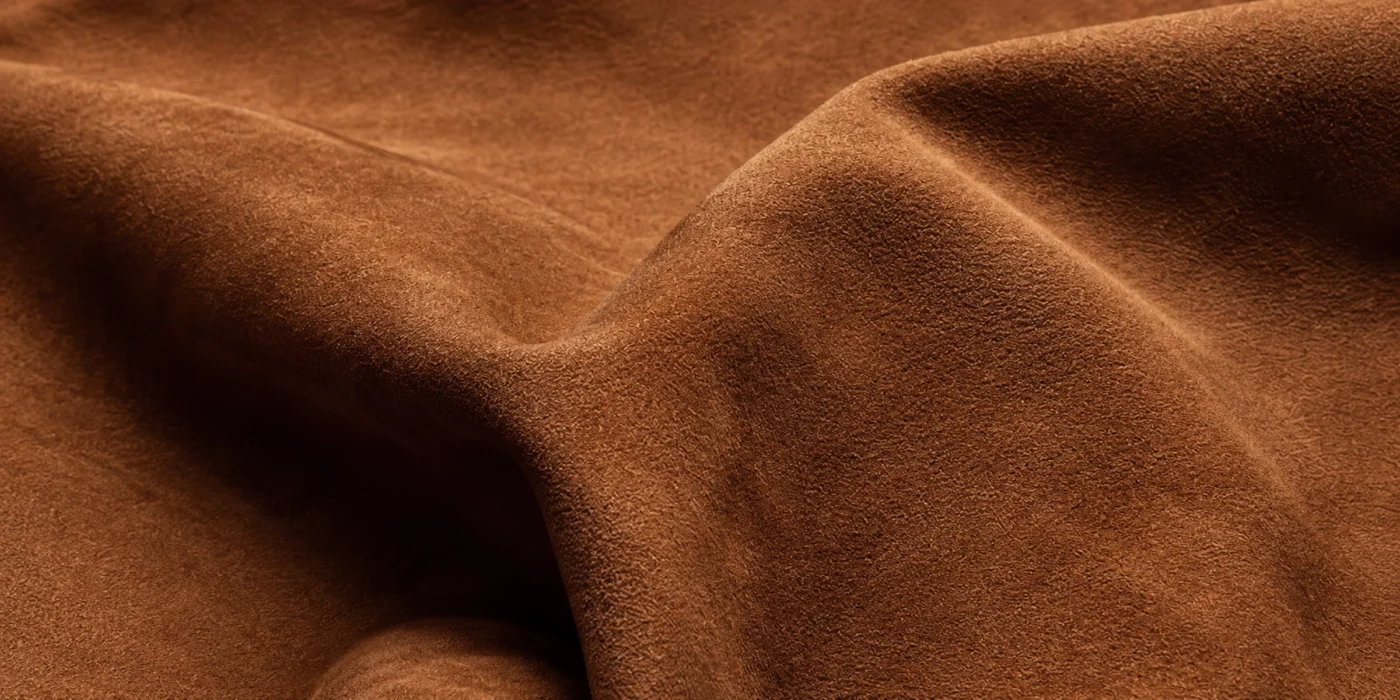
If you want to understand what is suede, it is a type of leather with a soft, brushed surface made from the inner layer of an animal hide. It has a special look that looks different when you run your hand over it. The tiny fibers on its surface catch light in different ways, which create lighter and darker shades.
As lovely as it can look, its buttery texture needs extra care. So learning about what suede is made of, common uses and cleaning methods can help you enjoy your clothing pieces for longer.
What Is Suede Leather?
Suede has a soft feel and slightly fuzzy surface. The main difference between suede and leather is their surface texture, whereas suede has tiny fibers that stand up and create a gentle nap. In simple words, a nap is the fine layer of fibers that gives the material its velvety touch.
So, is suede leather? Yes, it’s a type of leather. What separates them is the part of the hide. It usually comes from the inner layer of the hide, while smooth leather typically retains the outer grain. Plus, it is usually softer and more flexible than many types of smooth leather.
What Is Suede Made Of?
Suede comes from animal hide that is genuine. However, faux or fake versions are also available. They’re made from man-made fibers designed to copy its soft texture.
Common sources of real suede include:
- Calfskin comes in fine, even texture and is soft yet sturdy.
- Lambskin is usually soft and lightweight.
- You’ll find goatskin with a slightly grainier finish with good strength.
- Deerkin feels very supple and flexible.
So next time when you’re wondering, “What is suede made from?” the important detail is that genuine suede uses a layer of animal hide. But its exact feel depends on the hide, its thickness, and how the tanner finishes it.
Faux suede, on the other hand, is different. It is commonly made with polyester or other textiles that are brushed to create a suede-like surface. Some versions also use PU (polyurethane) to help create the desired finish.
Quick Tip: Check the product label. The word suede may describe genuine leather or a synthetic fabric, so the label helps you know what you are paying for.
Now, that you know what suede is, let’s see…
How Is Suede Made?
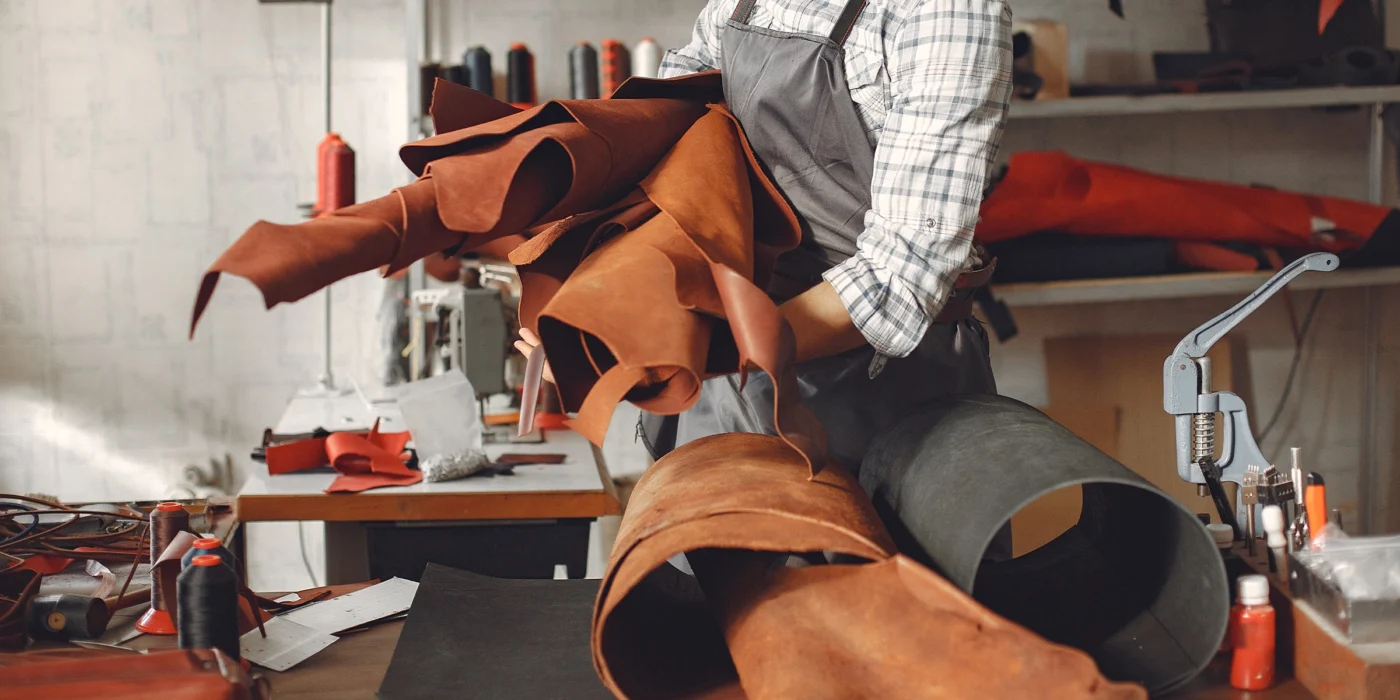
Suede doesn’t appear by accident. It goes through several steps to turn raw hide into the material used in shoes, jackets and bags.
Here’s the step-by-step procedure.
Preparing the hide
First, the hide is cleaned of the dirt, fat and other elements. If it’s been preserved with salt, it is washed and soaked in water to bring back its natural moisture.
Any leftover flesh or hair is removed to ensure the hide is clean and ready before further preparation.
Tanning the hide
Next, this cleaned hide is tanned. The process involves treating the hide with tanning agents that prevent it from rotting and help preserve it as leather.
Two common methods are vegetable tanning and chrome tanning. The tanning method can affect the leather’s feel, color and other properties.
Splitting the leather
Once tanning is done, the hide is passed through the splitting machine. It separates the thick hide into thinner layers.
The top layer retains the natural grain surface, while the lower split layer has a fibrous texture commonly used to make suede.
TidBit: Not all suede is made from the lower split layer. Reverse suede, for example, uses the inner side of full-grain leather facing outward.
Sanding the surface
After splitting, the surface of the prepared product is sanded or buffed. This process raises thousands of tiny fibers, which gives suede its fuzzy texture.
These raised fibers are called the nap. The amount of sanding affects how the surface looks and feels. Without this step, suede would not have a familiar velvety finish.
Dyeing the suede
It is then dyed to give its desired color – brown, tan, grey, black, blue or any other. Depending on the production method, the dye may be applied before or after the surface is sanded.
Some manufacturers dye the leather in rotating drums to help the color spread through the material.
Finishing the suede
The suede is checked for quality, texture and consistency. It’s brushed again to remove any loose fibers, and the nap is adjusted. A protective layer against stains and water is also applied to some products.
Finally, the finished item is taken for quality assurance to check for uneven color, rough patches or other defects.
What Are the Main Types of Suede?
Although suede is a type of leather, it comes in several forms. This helps you in choosing the right material for your needs.
Split suede
Made from the inner layer of a hide after it has been separated from the outer grain. Ideal for shoes and accessories.
Reverse suede
It is the inner side of the full grain leather worn outward. It retains more of the hide’s natural strength than ordinary suede.
Microsuede
A synthetic material made from very fine fibers. It is popular for furniture, clothing and accessories.
Sueded fabric
A woven cotton or other material is brushed to create a soft, suede-like feel without actually using the hide.
What Is Suede Fabric, and Is It Different From Leather?
The phrase ‘suede fabric’ can be confusing because genuine suede is leather, not a woven textile. However, the term is also used for soft materials that copy the look and feel of real suede.
Here is a simple comparison:
Feature | Genuine suede | Faux suede |
Main material | Animal hide | Usually synthetic fibers |
Surface | Natural, fuzzy nap | Brushed, suede-like finish |
Feel | Soft and flexible | Varies by quality |
Water tolerance | Absorbs moisture easily | Often more water-resistant, but not always waterproof |
Care | Needs gentle cleaning | Depends on the care label |
Price | Often more expensive | Usually more affordable |
Suede vs. Nubuck vs. Smooth Leather
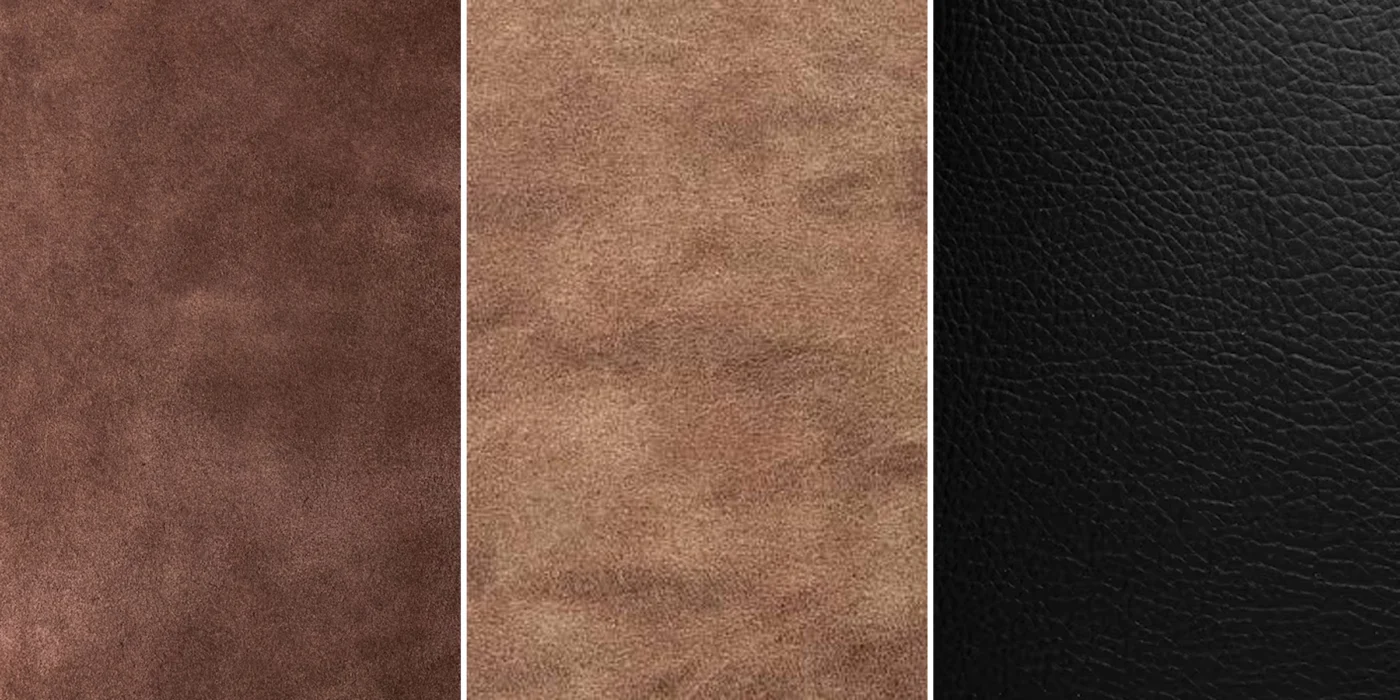
Nubuck is made by sanding the outer grain of leather. Its fibers are usually shorter and finer than suede’s. Smooth leather keeps a more even surface and is often easier to wipe clean.
Although their source can be the same, their textures, surfaces and uses are different. Take a look:
Feature | Suede | Nubuck | Smooth leather |
Surface used | Usually inner split | Outer grain | Outer grain |
Texture | Soft, fuzzy, visible nap | Fine, short nap | Smooth or lightly textured |
Feel | Flexible and plush | Velvety but firmer | Firmer and more structured |
Main concern | Water and stains | Scratches and stains | Scuffs and drying |
Common uses | Loafers, jackets, bags | Boots, shoes, bags | Jackets, shoes, belts |
Neither option is best for every situation. Suede works well when softness and texture matter most, while smooth leather may be a better choice for a more formal finish or easier cleaning.
What Makes Suede Popular in Fashion?
Suede has a matte finish that brings a soft, rich look to clothing. It’s also versatile, and its texture adds depth to simple outfits.
Here are a few reasons suede remains popular in fashion.
- It’s flexible and feels comfortable to wear.
- The nap creates subtle variations in shade as light falls on the surface.
- It suits casual trainers, smart loafers, jackets, boots, and handbags.
- Warm tones work well in autumn, while lighter shades suit spring and summer.
- A suede jacket softens a sharp outfit
- Suede loafers make trousers and a simple shirt look more put together.
How to Care for Suede Without Damaging It
With the right care, suede items can last for years. The key is to remove dirt gently and avoid methods that flatten or damage its fibers.
- Gently use a suede brush to remove dust and lift the nap.
- Use a suede eraser for suitable dry marks.
- Apply a suitable suede protector according to its instructions. Test it on a hidden spot first.
- Avoid wearing suede in heavy rain or exposing it to excessive moisture. Blot fresh moisture with a clean cloth.
- Keep items in a cool, dry place away from direct sunlight. Use a breathable fabric cover for clothing.
Warning: Never use a hairdryer, radiator or direct sunlight to speed up drying. Too much heat can stiffen the material or change its shape.
FAQs
Is suede a type of leather?
Yes, genuine suede is a type of leather. It is usually made from the inner, fibrous layer of an animal hide (known as corium) that’s processed to create a soft, fuzzy surface.
How do you clean suede shoes at home?
Once the mud or dirt has dried, gently brush it away using a suede brush. If it has marks, use a suede eraser or follow the care label.
Are all suede real leather?
No. Genuine suede is leather made from animal hide. Synthetic material or other fibers that are treated to look like suede are known as faux suede and are not leather.
Is suede better than smooth leather?
Neither is better than the other. It depends on your personal choice. Suede offers a soft texture and relaxed look. Smooth leather is often easier to wipe clean and may offer better resistance to everyday moisture.


