



Buyer's Guide, Leather Jacket
What Is Suede? Understanding This Luxurious Material
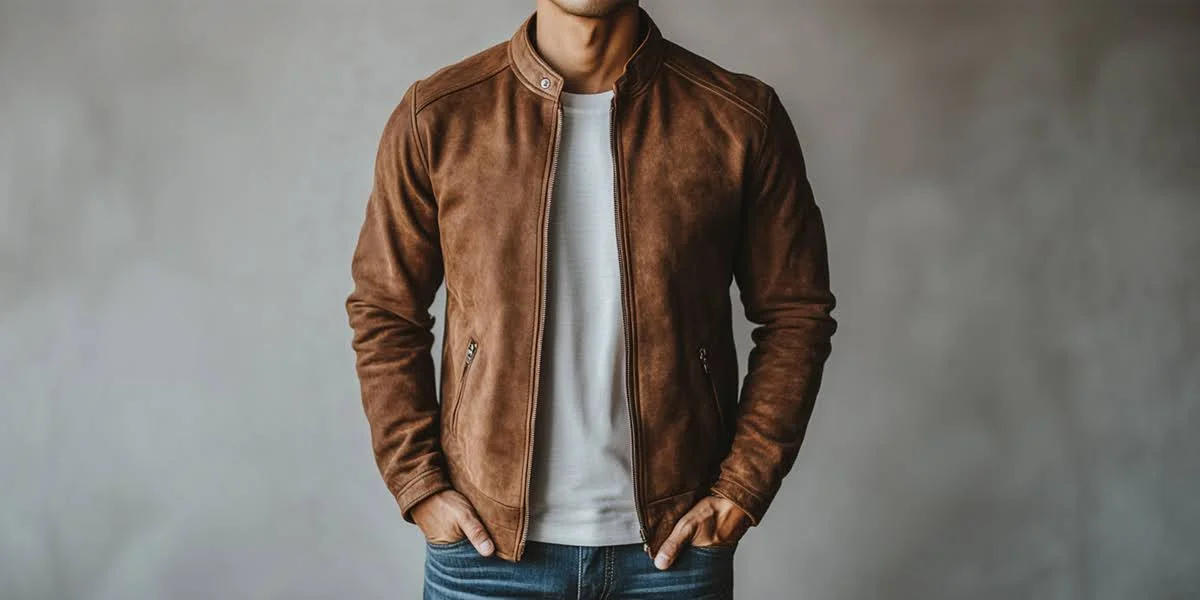
There are countless reasons, in fact, iconic moments that made suede fabric eye candy for many. Plus, it has something magical that catches the attention and makes people go, “I see it, I like it, I want it, I got it.”
Suede is found in all kinds of fashion. It adds a specific charm to any wearable, from suede jackets to suede shoes. But the question remains: What is suede and what makes it desirable? Simply put, although a type of leather, suede has this cozy vibe, smoother touch, and velvety texture that makes you “Ooohh” when you run your fingers over it.
Suede fabric’s demand skyrocketed when people heard Elvis Presley singing “Don’t step on my blue suede shoes” and the heart-wrenching moment in Seinfeld when Jerry’s Suede coat didn’t survive the snow.
Still, with all the demands, many people still don’t know what suede is, let alone what suede is made of. But the best part is: it’s not that tricky to understand. This mini-reading will help you to know suede better.
So let’s get down to business.
WARNING! BRACE YOURSELF BECAUSE YOU ARE ENTERING THE WORLD OF SOFTER AND COOLER FABRIC!
What is Suede Made of?
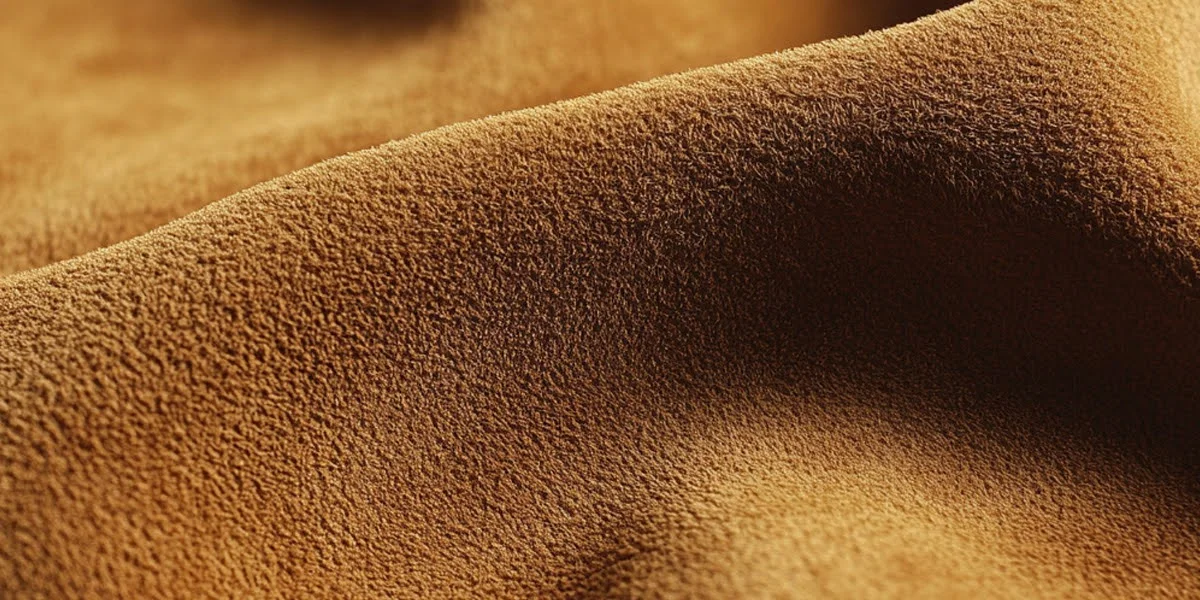
Let’s first answer the most asked question: ” What is suede made of?” To keep the answer simple, suede comes from the inner side of the animal hide (Detail in the next section: How is suede made?). But crazy how every part of the skin is used, this begs one to ask: What is suede leather?
Yes, as mentioned in the introduction, it’s a kind of leather, but unlike regular leather, this is different. Because it has a napped texture that’s smoother and thinner, you’ll find those tiny hair that gives it a velvety feel.
If you’re wondering what type of animal skin is used, it’s mostly sheep, goat, lamb, cow, and even deer. Since it’s the inner part of the hide, it’s pretty fragile. You won’t find it as tough as leather (outer side), but it’s more flexible and breathable.
So, next time someone asks what suede is made of, you will now know – tell them it’s the inner layer of animal hide, known for its velvety texture and flexible nature.
How is Suede Made
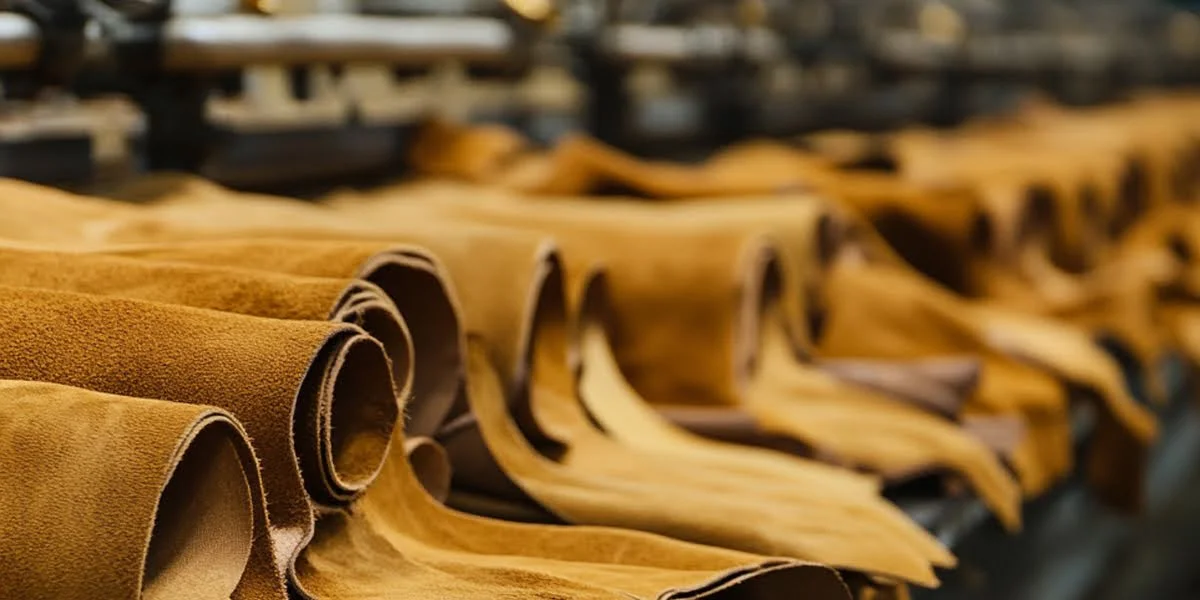
When it comes to how suede is made, you need to separate the softest part of the skin from the tough part.
Here are simple steps for you to understand:
- Step 1: Hide Separating Part
Okay, so leather has layers. These are split, and suede is taken from the smoothest, bottom part of the hide. This is why it feels soft and almost velvety-like.
- Step 2: Next up, Sanding
The hide is later sanded (or buffed) to lift up its fibre, which gives it that fuzzy texture that gives off a luxurious vibe.
- Step 3: Drying and Finishing
Once suede is fluffed up (or sanded), it’s dried and trimmed into shapes as per the needs. And sometimes, it’s also treated to handle stains or make it water-resistant. Just avoid going puddle-jumping in suede material tho *Hehe!*.
The best quality suede generally comes from the inner side of the skin splitting, not the flesh side.
Types of Suede
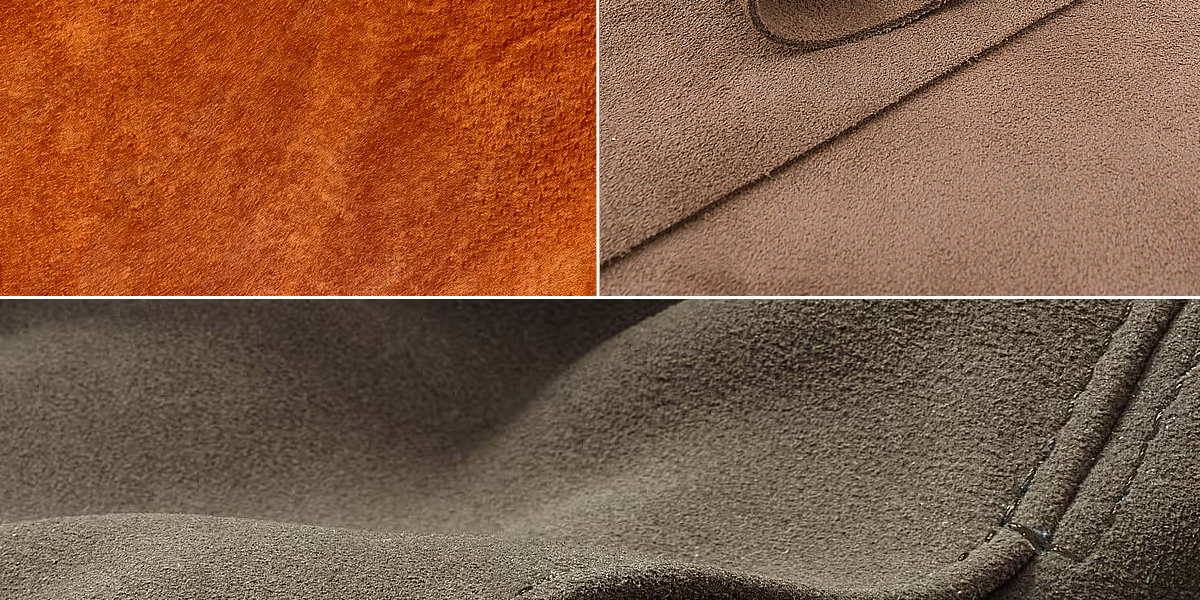
Since suede comes from various animals, you’ll see different types of suede available. You’ll find each having a unique texture, softness, and long-lasting.
So let’s see the most common and how they’re different from each other.
First up…
Sheepskin Suede
This one is flexible and soft. You’ll find it in most high-end products, making it quite luxurious. Its smooth nap gives it an elegant touch.
If you’ve been searching for a lightweight suede jacket or coat, this is your answer.
Cowhide Suede
Answering “what is suede fabric?” in the world of cowhide isn’t that tricky. When you wear suede made of moo-skin, you’ll feel how dense and strong it is. This is why it’s primarily used in rugged upperwear and footwear.
Deerskin Suede
Deerskin fairly balances the comfort of sheepskin and the durability of cowskin. Because of its not-so-smooth texture, it’s used to make suede jackets for women and essentials like socks and gloves for regular days.
Pros and Cons of Suede
You must have heard the saying, “With great power comes great responsibility.” The same is true for any item you have; it has both good and bad aspects. And regardless of what is suede fabric made of, you’ll find pros and cons.
Let’s talk about Pros first.
Soft and Smooth
Suede is a really warm, cozy, and luxurious material. Plus, it feels exceptionally soft when touched.
Flexibility Matters
Suede bends easily, and you’ll love wearing it for upperwear and footwear. The best part is that it conforms to your frame with time.
It breathes
A type of leather, suede lets air in and doesn’t just trap heat to boil you. This feature makes it a versatile piece that can be worn in different situations.
Stylish Look
Due to its beautifully done napped texture, you’ll stand out in the crowd.
Lightweight
Regardless of how is suede made, it’s still exceptionally nice and light to wear without feeling exhausted.
Now let’s talk about the other vulnerable side of suede, which is the…
Cons of Suede
Water Enermy
Suede and water don’t get along. So avoid wearing it in the rain and even soaking it wet unless the water-resistant spray is used.
Easy to Get Dirty
Due to its porous texture, suede is prone to attracting dirt, oil, or dust.
Hard to maintain
It can easily get stains or marks, which make it really difficult to clean suede.
Not as Strong as Real Leather
As you know, suede comes from the inner side of the hide. It’s not as strong as regular leather unless given proper care.
Treat suede like your favorite pet that needs proper love, care, and attention to stay healthy and happy with you.
This leads us to our next part, which is:
Caring for Suede Products
With countless benefits, suede material is worth taking good care of. It can last for decades and even be passed down to generations.
Here are some easy tips and tricks:
- If it needs to be deep cleaned or has stubborn marks, consider hiring a professional suede cleaner, as they know how to treat them.
- Brush off the dirt and dust on the surface using a suede brush after each wear.
- In case it stains or pills, better get yourself a suede eraser.
- Never wear it in the rain; water can remove the natural oil, making it brittle.
- Suede is likely to dry and crack. To keep it soft and supple, use suede conditioner.
- Avoid folding it as it may crease. Instead, wrap it in a breathable bag and hang it on a wide, padded hanger ot maintain its original shape.
- Remember to wrap in a breathable bag and store in a cool, dry place away from direct heat (sunlight or other heating source)
Frequently Asked Questions
Suede fabric comes from the underside of the hide. It’s luxurious; when you run your fingers through it, it’ll feel soft and fuzzy.
Yes, suede is durable and can last a long time. With proper care, it can even be passed down to generations.
There’s no such thing as which one is better: leather or suede. Because it totally depends on your personal choice. However, each comes with its good features – suede is softer and more pliable, while leather is stronger and can resist water contact better.
Yes, suede is a type of leather, but it has that nap finish and gives off that sophisticated charm, unlike regular leather, which is more of an edgy, bold energy.


